
Which Departure Location Should I Choose?
Puget Sound Express tours depart from three beautiful waterfronts: Edmonds, Port Townsend, and Port Angeles. All three can lead to memorable wildlife encounters. The best departure location is usually the one that fits where you are already staying, how long you want to be on the water, and whether Friday Harbor/San Juan Island belongs in your day.
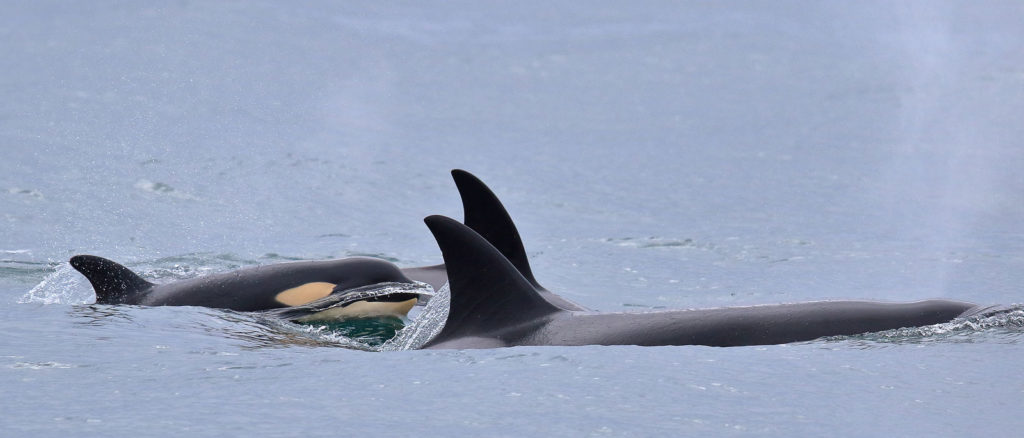
Seattle (Edmonds) Tours
Best for Seattle-area residents and visitors (Edmonds is a north-Seattle suburb about 20 minutes north of downtown). Half-day tours are typically four to five hours; our summer full-day tour includes a two-hour lunch stop in Friday Harbor on San Juan Island. Half-day tours run February – December; full-day tours run May – September.
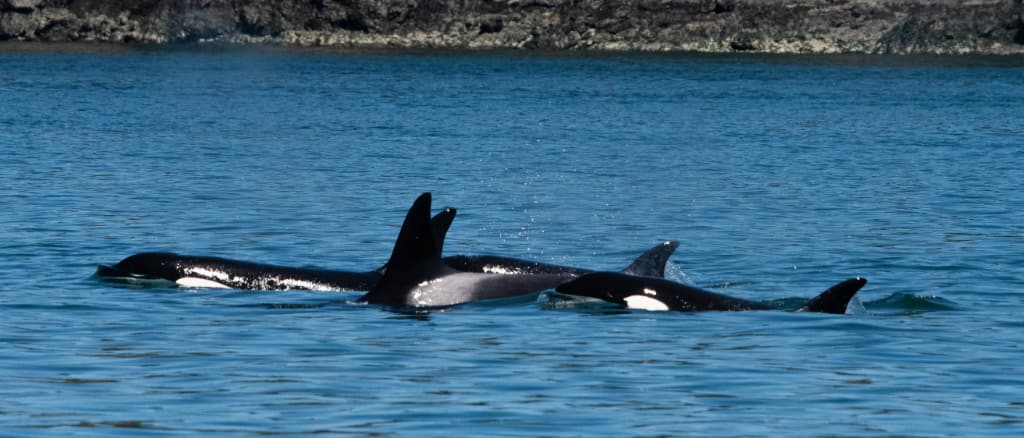
Port Townsend Tours
Best for folks living on or visiting the Olympic and/or Kitsap Peninsulas. Port Townsend is located about two hours west of Seattle. Half-day trips are typically three to four hours; our summer full-day tour includes a two-hour lunch stop in Friday Harbor on San Juan Island. Half-day tours run March – November; full-day tours run May – September.
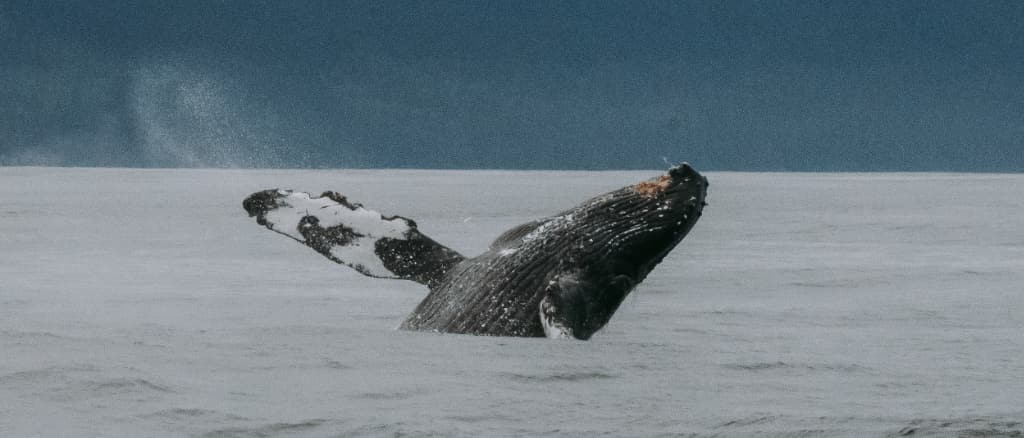
Port Angeles Tours
Best for Olympic National Park-focused itineraries, including Hurricane Ridge. Port Angeles is located about three hours west of Seattle. Due to its westerly location along the Strait of Juan de Fuca, we typically see more humpback whales here than our other tours. Half-day trips are typically three to four hours, and run May – October.
Whales We See
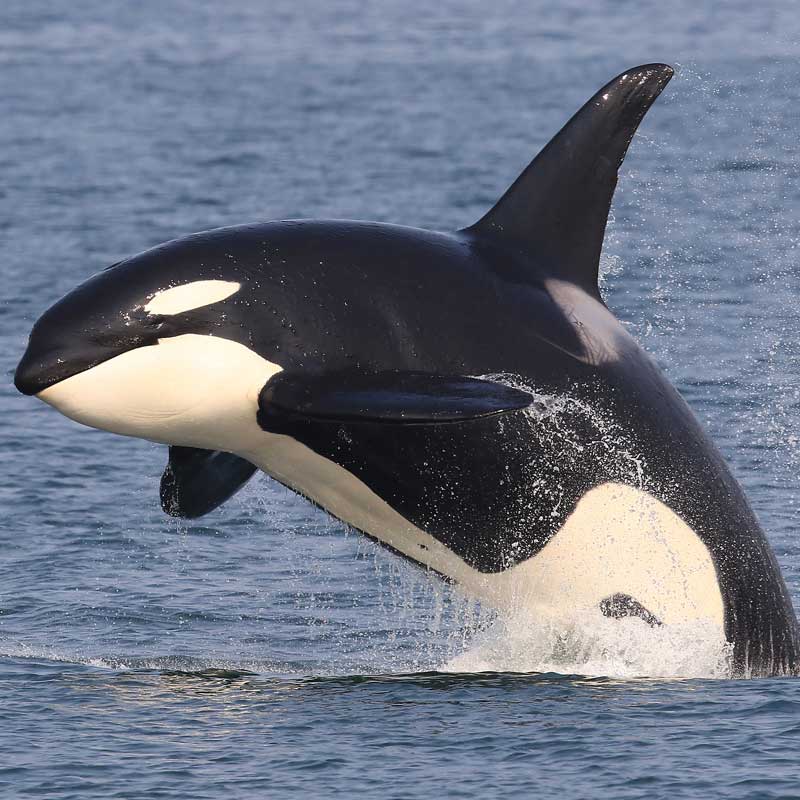
Bigg’s Orcas (aka Transients)
Bigg’s orcas are apex predators – mammal-eating orcas that feed on a variety of prey – from harbor seals to sea lions, and even dolphins and small whales. Bigg’s orcas generally travel in small groups, usually of two to six animals, and can range from Southern California up to the Arctic Circle. These are the orcas that we see most often in the Salish Sea, and they often put on quite a show after they complete a successful hunting foray! Bigg’s orcas are named in honor of cetologist Michael Bigg.
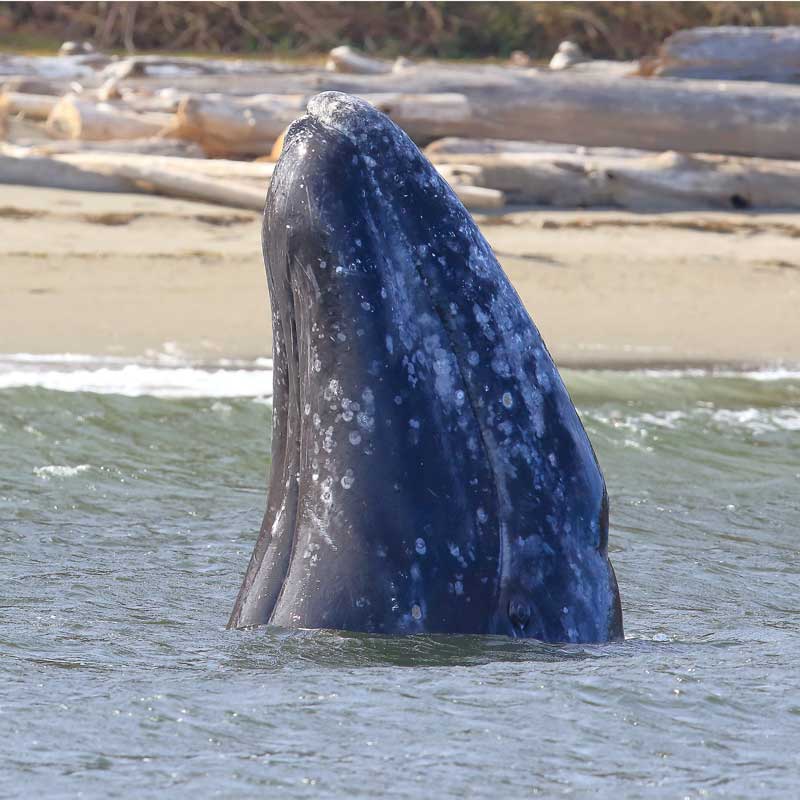
Gray Whales
The gray whale is a species of baleen whale with a dark slate-gray color, and is frequently covered by gray/white scars left by parasites which drop off in its cold feeding grounds. Grays have two blowholes on top of their head, which can create a distinctive heart-shaped blow at the surface. Adults range in length from 43–49 feet and weigh up to 40 tons. Each spring, gray whales migrate from the southern waters near Baja, north to Alaska. A small group of Grays nicknamed “Sounders” often turn east into Washington’s inland waters during the spring northern migration.
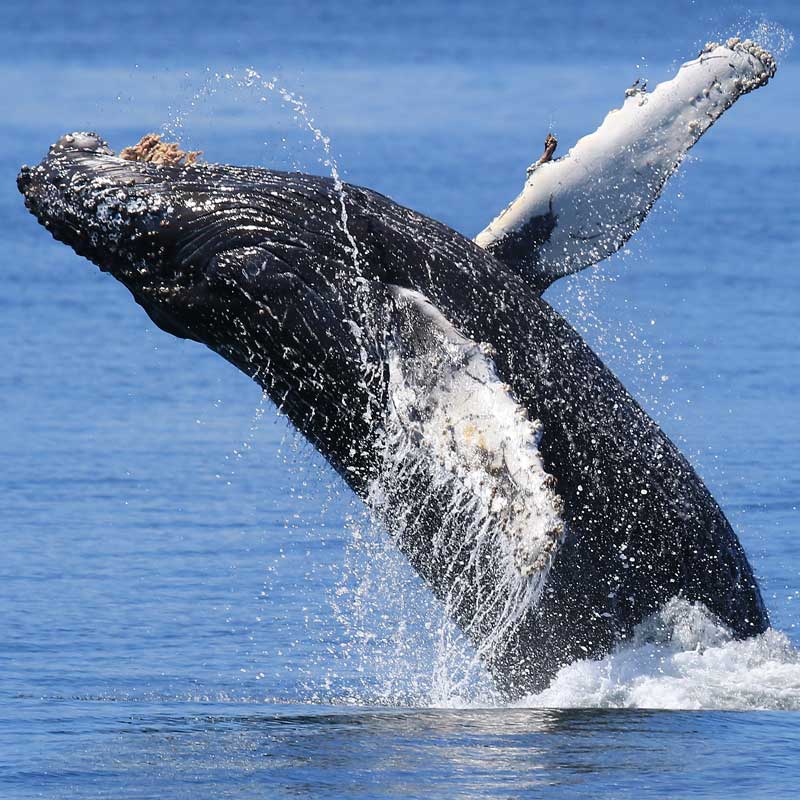
Humpback whales
The humpback whale is a species of baleen whale and has a distinctive body shape, with long pectoral fins and a knobbly head. They are known for breaching and other distinctive surface behaviors. Adults range in length from 39–52 feet and weigh nearly 40 tons. Their diet consists mostly of krill and small fish. Until commercial whaling was banned in 1996, humpbacks were nearly hunted to extinction. They have rebounded, however, and we are thrilled to have them back in our neighborhood.
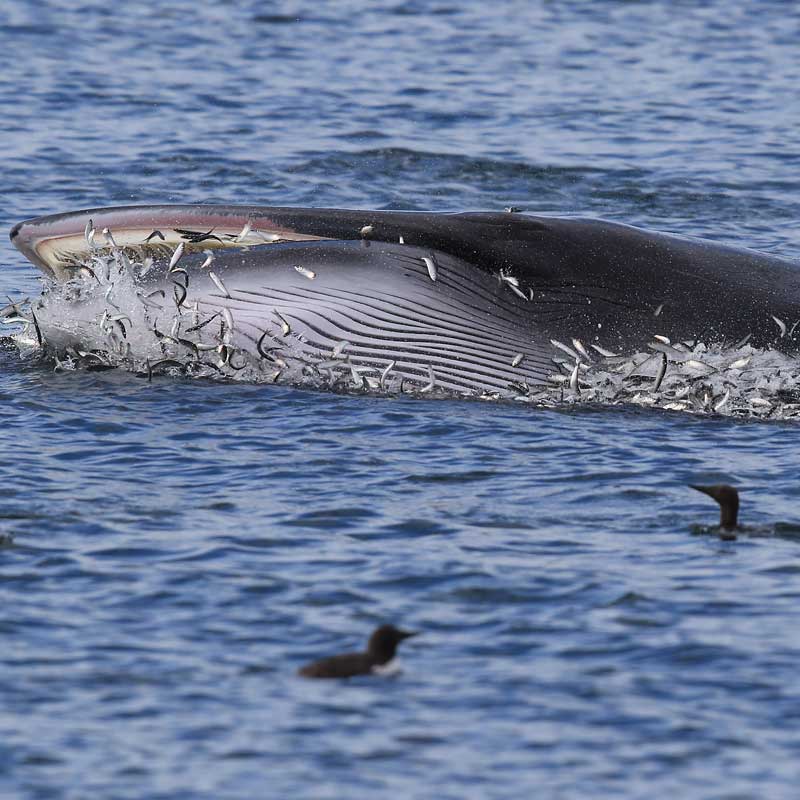
Minke whales
The elusive minke whale is among the smallest of the baleen whales. Previously known as a ‘piked whale’ or ‘lesser finback’, the minke has a dark gray back and white undersides. Their pectoral fins have a distinctive white patch or band. Minkes range in length from 23-33 feet and weigh up to 10 tons. Minke whales are widely distributed throughout the North Pacific and Atlantic oceans. They migrate seasonally from polar feeding grounds to equatorial waters, where they breed and calve. Minkes feed on small schooling fish, crustaceans, and plankton.
Latest News
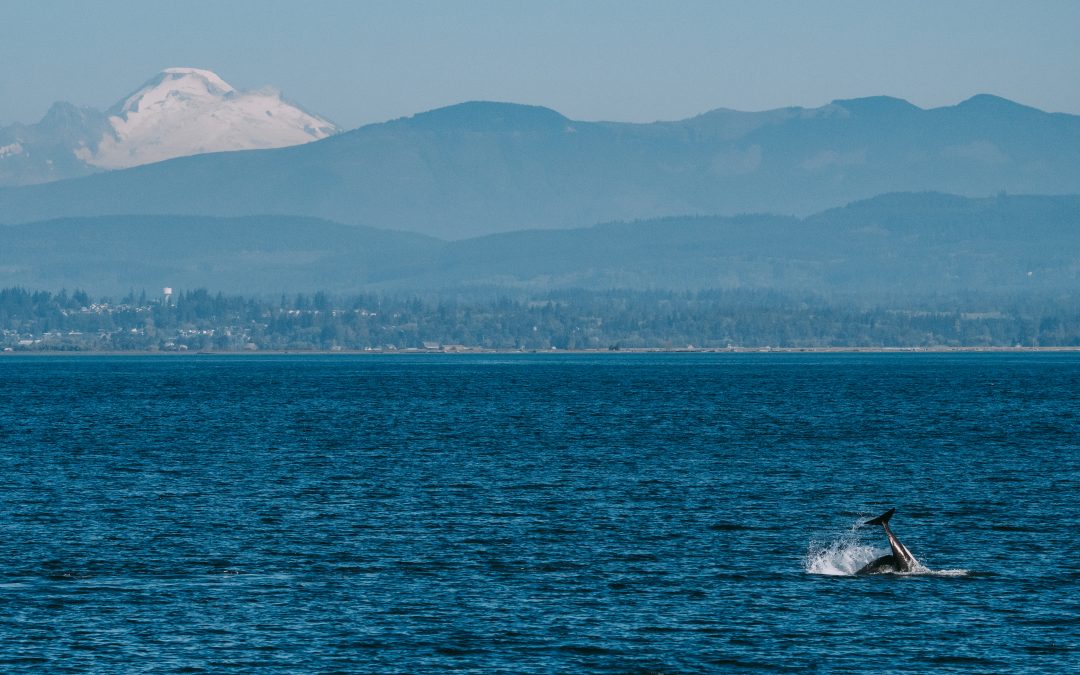
Learning through play with the T36s!
School is in session, and today’s lesson is all about learning through play! On our September 16 Half-Day Tour from Edmonds, guests and crew enjoyed a delightfully playful scene: T36B4 Auk (born in 2024) and T36B1A Maple (born in 2025) playing hard in Port Susan while...
Get Whale Updates
Get recent whale sightings, seasonal trip tips, and occasional seat alerts. Usually 1–3 useful emails per month; less often in winter. We respect your privacy; we will never share your email.